
You've already forked fedora-bootc
Compare commits
12 Commits
dependabot
...
eda903911d
| Author | SHA1 | Date | |
|---|---|---|---|
eda903911d

|
|||
d35c6f88ba

|
|||
|
03fce0dbd8
|
|||
|
a675b9e51c
|
|||
|
aff8f8eb23
|
|||
|
3bcb1f840b
|
|||
|
f1c09b70b4
|
|||
|
dc7950a1ec
|
|||
|
9456f1065f
|
|||
|
5c60ac07d3
|
|||
|
1291cf7dcf
|
|||
|
f36fd9d04d
|

16
.editorconfig
Normal file
16
.editorconfig
Normal file
@@ -0,0 +1,16 @@
|
||||
# Stop the editor from looking for .editorconfig files in the parent directories
|
||||
root = true
|
||||
|
||||
[*]
|
||||
# Non-configurable Prettier behaviors
|
||||
charset = utf-8
|
||||
insert_final_newline = true
|
||||
# Caveat: Prettier won’t trim trailing whitespace inside template strings, but your editor might.
|
||||
trim_trailing_whitespace = true
|
||||
|
||||
# Configurable Prettier behaviors
|
||||
end_of_line = lf
|
||||
indent_style = space
|
||||
indent_size = 2
|
||||
max_line_length = 80
|
||||
|
||||
187
.gitea/workflows/build.yml
Normal file
187
.gitea/workflows/build.yml
Normal file
@@ -0,0 +1,187 @@
|
||||
---
|
||||
name: Build container image
|
||||
on:
|
||||
pull_request:
|
||||
branches:
|
||||
- main
|
||||
schedule:
|
||||
- cron: "05 10 * * *" # 10:05am UTC everyday
|
||||
push:
|
||||
branches:
|
||||
- main
|
||||
paths-ignore:
|
||||
- "**/README.md"
|
||||
workflow_dispatch:
|
||||
|
||||
env:
|
||||
REGISTRY_USER: ${{ github.actor }}
|
||||
REGISTRY_AUTH_FILE: /root/.podman/auth.json
|
||||
IMAGE_DESC: "My customized Fedora bootc image, based on Universal Blue"
|
||||
IMAGE_KEYWORDS: "bootc,fedora,silverblue,ublue,universal-blue"
|
||||
IMAGE_LOGO_URL: "https://davejansen.dev/avatars/940c9cc684fa03784359f97d591a389ecd90cd912acf2335a60acd616922000a?size=48"
|
||||
IMAGE_NAME: "${{ github.event.repository.name }}" # output image name, usually same as repo name
|
||||
IMAGE_REGISTRY: davejansen.dev
|
||||
IMAGE_OWNER: ${{ github.repository_owner }}
|
||||
FEDORA_BASE: 43
|
||||
REPO_URL:
|
||||
https://davejansen.dev/${{ github.repository_owner }}/${{
|
||||
github.event.repository.name }}
|
||||
|
||||
concurrency:
|
||||
group:
|
||||
${{ github.workflow }}-${{ github.ref || github.run_id }}-${{
|
||||
inputs.brand_name}}-${{ inputs.stream_name }}
|
||||
cancel-in-progress: true
|
||||
|
||||
jobs:
|
||||
build_push:
|
||||
name: Build and push image
|
||||
runs-on: ubuntu-24.04
|
||||
|
||||
permissions:
|
||||
contents: read
|
||||
packages: write
|
||||
id-token: write
|
||||
|
||||
steps:
|
||||
- name: Prepare environment
|
||||
run: |
|
||||
# Lowercase the image uri
|
||||
echo "IMAGE_REGISTRY=${IMAGE_REGISTRY,,}" >> ${GITHUB_ENV}
|
||||
echo "IMAGE_NAME=${IMAGE_NAME,,}" >> ${GITHUB_ENV}
|
||||
|
||||
# These stage versions are pinned by https://github.com/renovatebot/renovate
|
||||
- name: Checkout
|
||||
uses: actions/checkout@08c6903cd8c0fde910a37f88322edcfb5dd907a8 # v5
|
||||
|
||||
- name: Get current date
|
||||
id: date
|
||||
run: |
|
||||
# This generates a timestamp like what is defined on the ArtifactHub documentation
|
||||
# E.G: 2022-02-08T15:38:15Z'
|
||||
# https://artifacthub.io/docs/topics/repositories/container-images/
|
||||
# https://linux.die.net/man/1/date
|
||||
echo "date=$(date -u +%Y\-%m\-%d\T%H\:%M\:%S\Z)" >> $GITHUB_OUTPUT
|
||||
|
||||
# Image metadata for https://artifacthub.io/ - This is optional but is highly recommended so we all can get a index of all the custom images
|
||||
# The metadata by itself is not going to do anything, you choose if you want your image to be on ArtifactHub or not.
|
||||
- name: Image Metadata
|
||||
uses: docker/metadata-action@c1e51972afc2121e065aed6d45c65596fe445f3f # v5
|
||||
id: metadata
|
||||
env:
|
||||
README_URL: ${{ env.REPO_URL }}/raw/commit/${{ github.sha }}/README.md
|
||||
with:
|
||||
# This generates all the tags for your image, you can add custom tags here too!
|
||||
tags: |
|
||||
type=sha
|
||||
type=raw,value=latest,enable=${{ github.event_name != 'pull_request' && github.ref == format('refs/heads/{0}', github.event.repository.default_branch) }}
|
||||
type=raw,value=${{ env.FEDORA_BASE }},enable=${{ github.event_name != 'pull_request' && github.ref == format('refs/heads/{0}', github.event.repository.default_branch) }}
|
||||
type=raw,value=${{ env.FEDORA_BASE }}-{{date 'YYYYMMDD'}},enable=${{ github.event_name != 'pull_request' && github.ref == format('refs/heads/{0}', github.event.repository.default_branch) }}
|
||||
type=ref,event=pr
|
||||
labels: |
|
||||
io.artifacthub.package.readme-url=${{ env.README_URL }}
|
||||
org.opencontainers.image.created=${{ steps.date.outputs.date }}
|
||||
org.opencontainers.image.description=${{ env.IMAGE_DESC }}
|
||||
org.opencontainers.image.documentation=${{ env.README_URL }}
|
||||
org.opencontainers.image.source=${{ env.REPO_URL }}/raw/commit/${{ github.sha }}/Containerfile
|
||||
org.opencontainers.image.title=${{ env.IMAGE_NAME }}
|
||||
org.opencontainers.image.url=${{ env.REPO_URL }}
|
||||
org.opencontainers.image.vendor=${{ github.repository_owner }}
|
||||
org.opencontainers.image.version=${{ env.FEDORA_BASE }}-{{date 'YYYYMMDD'}}
|
||||
io.artifacthub.package.deprecated=false
|
||||
io.artifacthub.package.keywords=${{ env.IMAGE_KEYWORDS }}
|
||||
io.artifacthub.package.license=Apache-2.0
|
||||
io.artifacthub.package.logo-url=${{ env.IMAGE_LOGO_URL }}
|
||||
io.artifacthub.package.prerelease=false
|
||||
containers.bootc=1
|
||||
sep-tags: " "
|
||||
sep-annotations: " "
|
||||
|
||||
- name: Install build dependencies
|
||||
run: |
|
||||
apt-get -y update && apt-get -y install buildah podman
|
||||
|
||||
- name: Build Image
|
||||
id: build_image
|
||||
uses: redhat-actions/buildah-build@7a95fa7ee0f02d552a32753e7414641a04307056 # v2
|
||||
with:
|
||||
containerfiles: |
|
||||
./Containerfile
|
||||
build-args: |
|
||||
FEDORA_BASE=${{ env.FEDORA_BASE }}
|
||||
image: ${{ env.IMAGE_NAME }}
|
||||
tags: ${{ steps.metadata.outputs.tags }}
|
||||
labels: ${{ steps.metadata.outputs.labels }}
|
||||
#labels: "localhost/${{ env.IMAGE_NAME }}:${{ env.FEDORA_BASE }}"
|
||||
extra-args: --isolation=chroot
|
||||
oci: false
|
||||
|
||||
# Rechunk is a script that we use on Universal Blue to make sure there isnt a single huge layer when your image gets published.
|
||||
# This does not make your image faster to download, just provides better resumability and fixes a few errors.
|
||||
# Documentation for Rechunk is provided on their github repository at https://github.com/hhd-dev/rechunk
|
||||
# You can enable it by uncommenting the following lines:
|
||||
# - name: Run Rechunker
|
||||
# id: rechunk
|
||||
# uses: hhd-dev/rechunk@v1.2.4
|
||||
# with:
|
||||
# rechunk: "ghcr.io/hhd-dev/rechunk:v1.2.4"
|
||||
# ref: "localhost/${{ env.IMAGE_NAME }}:${{ env.FEDORA_BASE }}"
|
||||
# prev-ref:
|
||||
# "${{ env.IMAGE_REGISTRY }}/${{ env.IMAGE_NAME }}:${{ env.FEDORA_BASE
|
||||
# }}"
|
||||
# skip_compression: true
|
||||
# version: ${{ env.FEDORA_BASE }}
|
||||
# labels: ${{ steps.metadata.outputs.labels }} # Rechunk strips out all the labels during build, this needs to be reapplied here with newline separator
|
||||
|
||||
- name: Login to Container Registry
|
||||
if:
|
||||
github.event_name != 'pull_request' && github.ref ==
|
||||
format('refs/heads/{0}', github.event.repository.default_branch)
|
||||
run: |
|
||||
podman login \
|
||||
--verbose \
|
||||
--authfile "${{ env.REGISTRY_AUTH_FILE }}" \
|
||||
--username "${{ env.REGISTRY_USER }}" \
|
||||
--password "${{ secrets.CONTAINER_TOKEN }}" \
|
||||
${{ env.IMAGE_REGISTRY }}
|
||||
|
||||
- name: Push To Registry
|
||||
uses: redhat-actions/push-to-registry@5ed88d269cf581ea9ef6dd6806d01562096bee9c # v2
|
||||
if:
|
||||
github.event_name != 'pull_request' && github.ref ==
|
||||
format('refs/heads/{0}', github.event.repository.default_branch)
|
||||
id: push
|
||||
env:
|
||||
REGISTRY_PASSWORD: ${{ secrets.CONTAINER_TOKEN }}
|
||||
with:
|
||||
extra-args: --authfile=${{ env.REGISTRY_AUTH_FILE }}
|
||||
registry: ${{ env.IMAGE_REGISTRY }}/${{ env.IMAGE_OWNER }}
|
||||
image: ${{ env.IMAGE_NAME }}
|
||||
tags: ${{ steps.metadata.outputs.tags }}
|
||||
|
||||
# This section is optional and only needs to be enabled if you plan on distributing
|
||||
# your project for others to consume. You will need to create a public and private key
|
||||
# using Cosign and save the private key as a repository secret in Github for this workflow
|
||||
# to consume. For more details, review the image signing section of the README.
|
||||
- name: Install Cosign
|
||||
uses: sigstore/cosign-installer@d7543c93d881b35a8faa02e8e3605f69b7a1ce62 # v3.10.0
|
||||
if:
|
||||
github.event_name != 'pull_request' && github.ref ==
|
||||
format('refs/heads/{0}', github.event.repository.default_branch)
|
||||
|
||||
- name: Sign container image
|
||||
if:
|
||||
github.event_name != 'pull_request' && github.ref ==
|
||||
format('refs/heads/{0}', github.event.repository.default_branch)
|
||||
env:
|
||||
IMAGE_FULL:
|
||||
${{ env.IMAGE_REGISTRY }}/${{ env.IMAGE_OWNER }}/${{ env.IMAGE_NAME
|
||||
}}
|
||||
TAGS: ${{ steps.push.outputs.digest }}
|
||||
COSIGN_EXPERIMENTAL: false
|
||||
COSIGN_PRIVATE_KEY: ${{ secrets.SIGNING_SECRET }}
|
||||
COSIGN_PASSWORD: ""
|
||||
run: |
|
||||
for tag in ${{ steps.metadata.outputs.tags }}; do
|
||||
cosign sign -y --key env://COSIGN_PRIVATE_KEY $IMAGE_FULL:$tag
|
||||
done
|
||||
11
.github/dependabot.yml
vendored
11
.github/dependabot.yml
vendored
@@ -1,11 +0,0 @@
|
||||
# To get started with Dependabot version updates, you'll need to specify which
|
||||
# package ecosystems to update and where the package manifests are located.
|
||||
# Please see the documentation for all configuration options:
|
||||
# https://docs.github.com/github/administering-a-repository/configuration-options-for-dependency-updates
|
||||
|
||||
version: 2
|
||||
updates:
|
||||
- package-ecosystem: "github-actions"
|
||||
directory: "/"
|
||||
schedule:
|
||||
interval: "weekly"
|
||||
187
.github/workflows/build.yml
vendored
187
.github/workflows/build.yml
vendored
@@ -1,187 +0,0 @@
|
||||
---
|
||||
name: Build container image
|
||||
on:
|
||||
pull_request:
|
||||
branches:
|
||||
- main
|
||||
schedule:
|
||||
- cron: '05 10 * * *' # 10:05am UTC everyday
|
||||
push:
|
||||
branches:
|
||||
- main
|
||||
paths-ignore:
|
||||
- '**/README.md'
|
||||
workflow_dispatch:
|
||||
|
||||
env:
|
||||
IMAGE_DESC: "My Customized Universal Blue Image"
|
||||
IMAGE_KEYWORDS: "bootc,ublue,universal-blue"
|
||||
IMAGE_LOGO_URL: "https://avatars.githubusercontent.com/u/120078124?s=200&v=4" # Put your own image here for a fancy profile on https://artifacthub.io/!
|
||||
IMAGE_NAME: "${{ github.event.repository.name }}" # output image name, usually same as repo name
|
||||
IMAGE_REGISTRY: "ghcr.io/${{ github.repository_owner }}" # do not edit
|
||||
DEFAULT_TAG: "latest"
|
||||
|
||||
concurrency:
|
||||
group: ${{ github.workflow }}-${{ github.ref || github.run_id }}-${{ inputs.brand_name}}-${{ inputs.stream_name }}
|
||||
cancel-in-progress: true
|
||||
|
||||
jobs:
|
||||
build_push:
|
||||
name: Build and push image
|
||||
runs-on: ubuntu-24.04
|
||||
|
||||
permissions:
|
||||
contents: read
|
||||
packages: write
|
||||
id-token: write
|
||||
|
||||
steps:
|
||||
- name: Prepare environment
|
||||
run: |
|
||||
# Lowercase the image uri
|
||||
echo "IMAGE_REGISTRY=${IMAGE_REGISTRY,,}" >> ${GITHUB_ENV}
|
||||
echo "IMAGE_NAME=${IMAGE_NAME,,}" >> ${GITHUB_ENV}
|
||||
|
||||
# These stage versions are pinned by https://github.com/renovatebot/renovate
|
||||
- name: Checkout
|
||||
uses: actions/checkout@08c6903cd8c0fde910a37f88322edcfb5dd907a8 # v5
|
||||
|
||||
# This is optional, but if you see that your builds are way too big for the runners, you can enable this by uncommenting the following lines:
|
||||
# - name: Maximize build space
|
||||
# uses: ublue-os/remove-unwanted-software@517622d6452028f266b7ba4cc9a123b5f58a6b53 # v7
|
||||
# with:
|
||||
# remove-codeql: true
|
||||
|
||||
- name: Mount BTRFS for podman storage
|
||||
id: container-storage-action
|
||||
uses: ublue-os/container-storage-action@911baca08baf30c8654933e9e9723cb399892140
|
||||
|
||||
# Fallback to the remove-unwanted-software-action if github doesn't allocate enough space
|
||||
# See: https://github.com/ublue-os/container-storage-action/pull/11
|
||||
continue-on-error: true
|
||||
with:
|
||||
target-dir: /var/lib/containers
|
||||
mount-opts: compress-force=zstd:2
|
||||
|
||||
- name: Get current date
|
||||
id: date
|
||||
run: |
|
||||
# This generates a timestamp like what is defined on the ArtifactHub documentation
|
||||
# E.G: 2022-02-08T15:38:15Z'
|
||||
# https://artifacthub.io/docs/topics/repositories/container-images/
|
||||
# https://linux.die.net/man/1/date
|
||||
echo "date=$(date -u +%Y\-%m\-%d\T%H\:%M\:%S\Z)" >> $GITHUB_OUTPUT
|
||||
|
||||
# Image metadata for https://artifacthub.io/ - This is optional but is highly recommended so we all can get a index of all the custom images
|
||||
# The metadata by itself is not going to do anything, you choose if you want your image to be on ArtifactHub or not.
|
||||
- name: Image Metadata
|
||||
uses: docker/metadata-action@c1e51972afc2121e065aed6d45c65596fe445f3f # v5
|
||||
id: metadata
|
||||
with:
|
||||
# This generates all the tags for your image, you can add custom tags here too!
|
||||
# Default tags are "$DEFAULT_TAG" and "$DEFAULT_TAG.$date".
|
||||
tags: |
|
||||
type=raw,value=${{ env.DEFAULT_TAG }}
|
||||
type=raw,value=${{ env.DEFAULT_TAG }}.{{date 'YYYYMMDD'}}
|
||||
type=raw,value={{date 'YYYYMMDD'}}
|
||||
type=sha,enable=${{ github.event_name == 'pull_request' }}
|
||||
type=ref,event=pr
|
||||
labels: |
|
||||
io.artifacthub.package.readme-url=https://raw.githubusercontent.com/${{ github.repository_owner }}/${{ env.IMAGE_NAME }}/refs/heads/main/README.md
|
||||
org.opencontainers.image.created=${{ steps.date.outputs.date }}
|
||||
org.opencontainers.image.description=${{ env.IMAGE_DESC }}
|
||||
org.opencontainers.image.documentation=https://raw.githubusercontent.com/${{ github.repository_owner }}/${{ env.IMAGE_NAME }}/refs/heads/main/README.md
|
||||
org.opencontainers.image.source=https://github.com/${{ github.repository_owner }}/${{ env.IMAGE_NAME }}/blob/main/Containerfile
|
||||
org.opencontainers.image.title=${{ env.IMAGE_NAME }}
|
||||
org.opencontainers.image.url=https://github.com/${{ github.repository_owner }}/${{ env.IMAGE_NAME }}
|
||||
org.opencontainers.image.vendor=${{ github.repository_owner }}
|
||||
org.opencontainers.image.version=${{ env.DEFAULT_TAG }}.{{date 'YYYYMMDD'}}
|
||||
io.artifacthub.package.deprecated=false
|
||||
io.artifacthub.package.keywords=${{ env.IMAGE_KEYWORDS }}
|
||||
io.artifacthub.package.license=Apache-2.0
|
||||
io.artifacthub.package.logo-url=${{ env.IMAGE_LOGO_URL }}
|
||||
io.artifacthub.package.prerelease=false
|
||||
containers.bootc=1
|
||||
sep-tags: " "
|
||||
sep-annotations: " "
|
||||
|
||||
- name: Build Image
|
||||
id: build_image
|
||||
uses: redhat-actions/buildah-build@7a95fa7ee0f02d552a32753e7414641a04307056 # v2
|
||||
with:
|
||||
containerfiles: |
|
||||
./Containerfile
|
||||
# Postfix image name with -custom to make it a little more descriptive
|
||||
# Syntax: https://docs.github.com/en/actions/learn-github-actions/expressions#format
|
||||
image: ${{ env.IMAGE_NAME }}
|
||||
tags: ${{ steps.metadata.outputs.tags }}
|
||||
labels: ${{ steps.metadata.outputs.labels }}
|
||||
oci: false
|
||||
|
||||
# Rechunk is a script that we use on Universal Blue to make sure there isnt a single huge layer when your image gets published.
|
||||
# This does not make your image faster to download, just provides better resumability and fixes a few errors.
|
||||
# Documentation for Rechunk is provided on their github repository at https://github.com/hhd-dev/rechunk
|
||||
# You can enable it by uncommenting the following lines:
|
||||
# - name: Run Rechunker
|
||||
# id: rechunk
|
||||
# uses: hhd-dev/rechunk@f153348d8100c1f504dec435460a0d7baf11a9d2 # v1.1.1
|
||||
# with:
|
||||
# rechunk: 'ghcr.io/hhd-dev/rechunk:v1.0.1'
|
||||
# ref: "localhost/${{ env.IMAGE_NAME }}:${{ env.DEFAULT_TAG }}"
|
||||
# prev-ref: "${{ env.IMAGE_REGISTRY }}/${{ env.IMAGE_NAME }}:${{ env.DEFAULT_TAG }}"
|
||||
# skip_compression: true
|
||||
# version: ${{ env.CENTOS_VERSION }}
|
||||
# labels: ${{ steps.metadata.outputs.labels }} # Rechunk strips out all the labels during build, this needs to be reapplied here with newline separator
|
||||
|
||||
# This is necessary so that the podman socket can find the rechunked image on its storage
|
||||
# - name: Load in podman and tag
|
||||
# run: |
|
||||
# IMAGE=$(podman pull ${{ steps.rechunk.outputs.ref }})
|
||||
# sudo rm -rf ${{ steps.rechunk.outputs.output }}
|
||||
# for tag in ${{ steps.metadata.outputs.tags }}; do
|
||||
# podman tag $IMAGE ${{ env.IMAGE_NAME }}:$tag
|
||||
# done
|
||||
|
||||
# These `if` statements are so that pull requests for your custom images do not make it publish any packages under your name without you knowing
|
||||
# They also check if the runner is on the default branch so that things like the merge queue (if you enable it), are going to work
|
||||
- name: Login to GitHub Container Registry
|
||||
uses: docker/login-action@5e57cd118135c172c3672efd75eb46360885c0ef # v3
|
||||
if: github.event_name != 'pull_request' && github.ref == format('refs/heads/{0}', github.event.repository.default_branch)
|
||||
with:
|
||||
registry: ghcr.io
|
||||
username: ${{ github.actor }}
|
||||
password: ${{ secrets.GITHUB_TOKEN }}
|
||||
|
||||
- name: Push To GHCR
|
||||
uses: redhat-actions/push-to-registry@5ed88d269cf581ea9ef6dd6806d01562096bee9c # v2
|
||||
if: github.event_name != 'pull_request' && github.ref == format('refs/heads/{0}', github.event.repository.default_branch)
|
||||
id: push
|
||||
env:
|
||||
REGISTRY_USER: ${{ github.actor }}
|
||||
REGISTRY_PASSWORD: ${{ github.token }}
|
||||
with:
|
||||
registry: ${{ env.IMAGE_REGISTRY }}
|
||||
image: ${{ env.IMAGE_NAME }}
|
||||
tags: ${{ steps.metadata.outputs.tags }}
|
||||
username: ${{ env.REGISTRY_USER }}
|
||||
password: ${{ env.REGISTRY_PASSWORD }}
|
||||
|
||||
# This section is optional and only needs to be enabled if you plan on distributing
|
||||
# your project for others to consume. You will need to create a public and private key
|
||||
# using Cosign and save the private key as a repository secret in Github for this workflow
|
||||
# to consume. For more details, review the image signing section of the README.
|
||||
- name: Install Cosign
|
||||
uses: sigstore/cosign-installer@d7543c93d881b35a8faa02e8e3605f69b7a1ce62 # v3.10.0
|
||||
if: github.event_name != 'pull_request' && github.ref == format('refs/heads/{0}', github.event.repository.default_branch)
|
||||
|
||||
- name: Sign container image
|
||||
if: github.event_name != 'pull_request' && github.ref == format('refs/heads/{0}', github.event.repository.default_branch)
|
||||
run: |
|
||||
IMAGE_FULL="${{ env.IMAGE_REGISTRY }}/${{ env.IMAGE_NAME }}"
|
||||
for tag in ${{ steps.metadata.outputs.tags }}; do
|
||||
cosign sign -y --key env://COSIGN_PRIVATE_KEY $IMAGE_FULL:$tag
|
||||
done
|
||||
env:
|
||||
TAGS: ${{ steps.push.outputs.digest }}
|
||||
COSIGN_EXPERIMENTAL: false
|
||||
COSIGN_PRIVATE_KEY: ${{ secrets.SIGNING_SECRET }}
|
||||
8
.markdownlint.json
Normal file
8
.markdownlint.json
Normal file
@@ -0,0 +1,8 @@
|
||||
{
|
||||
"line-length": {
|
||||
"tables": false
|
||||
},
|
||||
"no-inline-html": {
|
||||
"allowed_elements": ["abbr", "pre", "kbd", "samp"]
|
||||
}
|
||||
}
|
||||
4
.prettierrc.json
Normal file
4
.prettierrc.json
Normal file
@@ -0,0 +1,4 @@
|
||||
{
|
||||
"printWidth": 80,
|
||||
"proseWrap": "always"
|
||||
}
|
||||
@@ -1,18 +1,12 @@
|
||||
ARG FEDORA_BASE=42
|
||||
|
||||
# Allow build scripts to be referenced without being copied into the final image
|
||||
FROM scratch AS ctx
|
||||
COPY build_files /
|
||||
COPY /sys_files /sys_files
|
||||
|
||||
# Base Image
|
||||
FROM ghcr.io/ublue-os/bazzite:stable
|
||||
|
||||
## Other possible base images include:
|
||||
# FROM ghcr.io/ublue-os/bazzite:latest
|
||||
# FROM ghcr.io/ublue-os/bluefin-nvidia:stable
|
||||
#
|
||||
# ... and so on, here are more base images
|
||||
# Universal Blue Images: https://github.com/orgs/ublue-os/packages
|
||||
# Fedora base image: quay.io/fedora/fedora-bootc:41
|
||||
# CentOS base images: quay.io/centos-bootc/centos-bootc:stream10
|
||||
FROM quay.io/fedora-ostree-desktops/silverblue:$FEDORA_BASE
|
||||
|
||||
### [IM]MUTABLE /opt
|
||||
## Some bootable images, like Fedora, have /opt symlinked to /var/opt, in order to
|
||||
@@ -23,18 +17,18 @@ FROM ghcr.io/ublue-os/bazzite:stable
|
||||
## Uncomment the following line if one desires to make /opt immutable and be able to be used
|
||||
## by the package manager.
|
||||
|
||||
# RUN rm /opt && mkdir /opt
|
||||
RUN rm /opt && mkdir /opt
|
||||
|
||||
### MODIFICATIONS
|
||||
## make modifications desired in your image and install packages by modifying the build.sh script
|
||||
## the following RUN directive does all the things required to run "build.sh" as recommended.
|
||||
|
||||
RUN --mount=type=bind,from=ctx,source=/,target=/ctx \
|
||||
--mount=type=cache,dst=/var/cache \
|
||||
--mount=type=cache,dst=/var/log \
|
||||
--mount=type=tmpfs,dst=/tmp \
|
||||
/ctx/build.sh
|
||||
|
||||
--mount=type=cache,dst=/var/cache \
|
||||
--mount=type=cache,dst=/var/log \
|
||||
--mount=type=tmpfs,dst=/tmp \
|
||||
/ctx/build.sh
|
||||
|
||||
### LINTING
|
||||
## Verify final image and contents are correct.
|
||||
RUN bootc container lint
|
||||
|
||||
2
Justfile
2
Justfile
@@ -1,4 +1,4 @@
|
||||
export image_name := env("IMAGE_NAME", "image-template") # output image name, usually same as repo name, change as needed
|
||||
export image_name := env("IMAGE_NAME", "fedora-jibsaram") # output image name, usually same as repo name, change as needed
|
||||
export default_tag := env("DEFAULT_TAG", "latest")
|
||||
export bib_image := env("BIB_IMAGE", "quay.io/centos-bootc/bootc-image-builder:latest")
|
||||
|
||||
|
||||
197
README.md
197
README.md
@@ -1,40 +1,54 @@
|
||||
# image-template
|
||||
|
||||
This repository is meant to be a template for building your own custom [bootc](https://github.com/bootc-dev/bootc) image. This template is the recommended way to make customizations to any image published by the Universal Blue Project.
|
||||
This repository is meant to be a template for building your own custom
|
||||
[bootc](https://github.com/bootc-dev/bootc) image. This template is the
|
||||
recommended way to make customizations to any image published by the Universal
|
||||
Blue Project.
|
||||
|
||||
# Community
|
||||
|
||||
If you have questions about this template after following the instructions, try the following spaces:
|
||||
If you have questions about this template after following the instructions, try
|
||||
the following spaces:
|
||||
|
||||
- [Universal Blue Forums](https://universal-blue.discourse.group/)
|
||||
- [Universal Blue Discord](https://discord.gg/WEu6BdFEtp)
|
||||
- [bootc discussion forums](https://github.com/bootc-dev/bootc/discussions) - This is not an Universal Blue managed space, but is an excellent resource if you run into issues with building bootc images.
|
||||
- [bootc discussion forums](https://github.com/bootc-dev/bootc/discussions) -
|
||||
This is not an Universal Blue managed space, but is an excellent resource if
|
||||
you run into issues with building bootc images.
|
||||
|
||||
# How to Use
|
||||
|
||||
To get started on your first bootc image, simply read and follow the steps in the next few headings.
|
||||
If you prefer instructions in video form, TesterTech created an excellent tutorial, embedded below.
|
||||
To get started on your first bootc image, simply read and follow the steps in
|
||||
the next few headings. If you prefer instructions in video form, TesterTech
|
||||
created an excellent tutorial, embedded below.
|
||||
|
||||
[](https://www.youtube.com/watch?v=IxBl11Zmq5wE)
|
||||
|
||||
## Step 0: Prerequisites
|
||||
|
||||
These steps assume you have the following:
|
||||
|
||||
- A Github Account
|
||||
- A machine running a bootc image (e.g. Bazzite, Bluefin, Aurora, or Fedora Atomic)
|
||||
- A machine running a bootc image (e.g. Bazzite, Bluefin, Aurora, or Fedora
|
||||
Atomic)
|
||||
- Experience installing and using CLI programs
|
||||
|
||||
## Step 1: Preparing the Template
|
||||
|
||||
### Step 1a: Copying the Template
|
||||
|
||||
Select `Use this Template` on this page. You can set the name and description of your repository to whatever you would like, but all other settings should be left untouched.
|
||||
Select `Use this Template` on this page. You can set the name and description of
|
||||
your repository to whatever you would like, but all other settings should be
|
||||
left untouched.
|
||||
|
||||
Once you have finished copying the template, you need to enable the Github Actions workflows for your new repository.
|
||||
To enable the workflows, go to the `Actions` tab of the new repository and click the button to enable workflows.
|
||||
Once you have finished copying the template, you need to enable the Github
|
||||
Actions workflows for your new repository. To enable the workflows, go to the
|
||||
`Actions` tab of the new repository and click the button to enable workflows.
|
||||
|
||||
### Step 1b: Cloning the New Repository
|
||||
|
||||
Here I will defer to the much superior GitHub documentation on the matter. You can use whichever method is easiest.
|
||||
Here I will defer to the much superior GitHub documentation on the matter. You
|
||||
can use whichever method is easiest.
|
||||
[GitHub Documentation](https://docs.github.com/en/repositories/creating-and-managing-repositories/cloning-a-repository)
|
||||
|
||||
Once you have the repository on your local drive, proceed to the next step.
|
||||
@@ -43,29 +57,37 @@ Once you have the repository on your local drive, proceed to the next step.
|
||||
|
||||
### Step 2a: Creating a Cosign Key
|
||||
|
||||
Container signing is important for end-user security and is enabled on all Universal Blue images. By default the image builds *will fail* if you don't.
|
||||
Container signing is important for end-user security and is enabled on all
|
||||
Universal Blue images. By default the image builds _will fail_ if you don't.
|
||||
|
||||
First, install the [cosign CLI tool](https://edu.chainguard.dev/open-source/sigstore/cosign/how-to-install-cosign/#installing-cosign-with-the-cosign-binary)
|
||||
First, install the
|
||||
[cosign CLI tool](https://edu.chainguard.dev/open-source/sigstore/cosign/how-to-install-cosign/#installing-cosign-with-the-cosign-binary)
|
||||
With the cosign tool installed, run inside your repo folder:
|
||||
|
||||
```bash
|
||||
COSIGN_PASSWORD="" cosign generate-key-pair
|
||||
```
|
||||
|
||||
The signing key will be used in GitHub Actions and will not work if it is password protected.
|
||||
The signing key will be used in GitHub Actions and will not work if it is
|
||||
password protected.
|
||||
|
||||
> [!WARNING]
|
||||
> Be careful to *never* accidentally commit `cosign.key` into your git repo. If this key goes out to the public, the security of your repository is compromised.
|
||||
> [!WARNING] Be careful to _never_ accidentally commit `cosign.key` into your
|
||||
> git repo. If this key goes out to the public, the security of your repository
|
||||
> is compromised.
|
||||
|
||||
Next, you need to add the key to GitHub. This makes use of GitHub's secret signing system.
|
||||
Next, you need to add the key to GitHub. This makes use of GitHub's secret
|
||||
signing system.
|
||||
|
||||
<details>
|
||||
<summary>Using the Github Web Interface (preferred)</summary>
|
||||
|
||||
Go to your repository settings, under `Secrets and Variables` -> `Actions`
|
||||
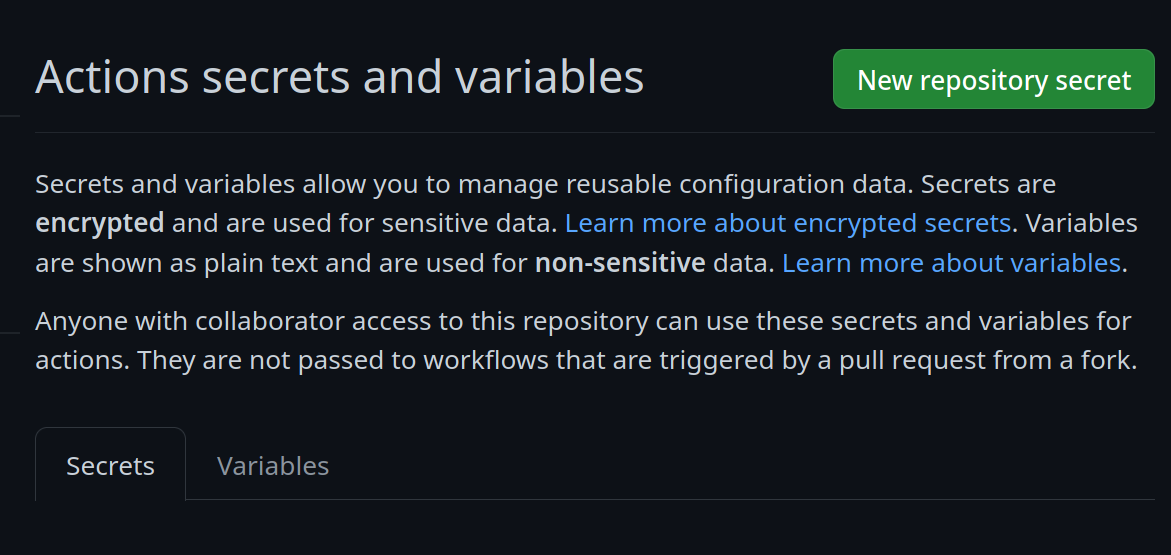
|
||||
Add a new secret and name it `SIGNING_SECRET`, then paste the contents of `cosign.key` into the secret and save it. Make sure it's the .key file and not the .pub file. Once done, it should look like this:
|
||||
Add a new secret and name it `SIGNING_SECRET`, then paste the contents of
|
||||
`cosign.key` into the secret and save it. Make sure it's the .key file and not
|
||||
the .pub file. Once done, it should look like this:
|
||||
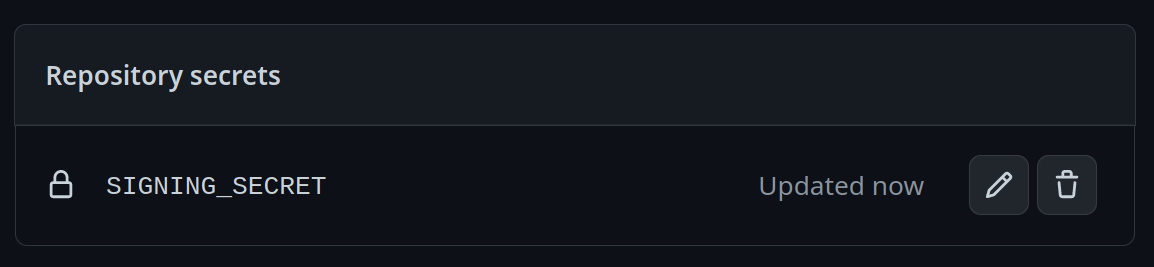
|
||||
|
||||
</details>
|
||||
<details>
|
||||
<summary>Using the Github CLI</summary>
|
||||
@@ -75,12 +97,16 @@ If you have the `github-cli` installed, run:
|
||||
```bash
|
||||
gh secret set SIGNING_SECRET < cosign.key
|
||||
```
|
||||
|
||||
</details>
|
||||
|
||||
### Step 2b: Choosing Your Base Image
|
||||
|
||||
To choose a base image, simply modify the line in the container file starting with `FROM`. This will be the image your image derives from, and is your starting point for modifications.
|
||||
For a base image, you can choose any of the Universal Blue images or start from a Fedora Atomic system. Below this paragraph is a dropdown with a non-exhaustive list of potential base images.
|
||||
To choose a base image, simply modify the line in the container file starting
|
||||
with `FROM`. This will be the image your image derives from, and is your
|
||||
starting point for modifications. For a base image, you can choose any of the
|
||||
Universal Blue images or start from a Fedora Atomic system. Below this paragraph
|
||||
is a dropdown with a non-exhaustive list of potential base images.
|
||||
|
||||
<details>
|
||||
<summary>Base Images</summary>
|
||||
@@ -91,91 +117,153 @@ For a base image, you can choose any of the Universal Blue images or start from
|
||||
- Universal Blue Base: `ghcr.io/ublue-os/base-main:latest`
|
||||
- Fedora: `quay.io/fedora/fedora-bootc:42`
|
||||
|
||||
You can find more Universal Blue images on the [packages page](https://github.com/orgs/ublue-os/packages).
|
||||
You can find more Universal Blue images on the
|
||||
[packages page](https://github.com/orgs/ublue-os/packages).
|
||||
|
||||
</details>
|
||||
|
||||
If you don't know which image to pick, choosing the one your system is currently on is the best bet for a smooth transition. To find out what image your system currently uses, run the following command:
|
||||
If you don't know which image to pick, choosing the one your system is currently
|
||||
on is the best bet for a smooth transition. To find out what image your system
|
||||
currently uses, run the following command:
|
||||
|
||||
```bash
|
||||
sudo bootc status
|
||||
```
|
||||
This will show you all the info you need to know about your current image. The image you are currently on is displayed after `Booted image:`. Paste that information after the `FROM` statement in the Containerfile to set it as your base image.
|
||||
|
||||
This will show you all the info you need to know about your current image. The
|
||||
image you are currently on is displayed after `Booted image:`. Paste that
|
||||
information after the `FROM` statement in the Containerfile to set it as your
|
||||
base image.
|
||||
|
||||
### Step 2c: Changing Names
|
||||
|
||||
Change the first line in the [Justfile](./Justfile) to your image's name.
|
||||
|
||||
To commit and push all the files changed and added in step 2 into your Github repository:
|
||||
To commit and push all the files changed and added in step 2 into your Github
|
||||
repository:
|
||||
|
||||
```bash
|
||||
git add Containerfile Justfile cosign.pub
|
||||
git commit -m "Initial Setup"
|
||||
git push
|
||||
```
|
||||
Once pushed, go look at the Actions tab on your Github repository's page. The green checkmark should be showing on the top commit, which means your new image is ready!
|
||||
|
||||
Once pushed, go look at the Actions tab on your Github repository's page. The
|
||||
green checkmark should be showing on the top commit, which means your new image
|
||||
is ready!
|
||||
|
||||
## Step 3: Switch to Your Image
|
||||
|
||||
From your bootc system, run the following command substituting in your Github username and image name where noted.
|
||||
From your bootc system, run the following command substituting in your Github
|
||||
username and image name where noted.
|
||||
|
||||
```bash
|
||||
sudo bootc switch ghcr.io/<username>/<image_name>
|
||||
```
|
||||
This should queue your image for the next reboot, which you can do immediately after the command finishes. You have officially set up your custom image! See the following section for an explanation of the important parts of the template for customization.
|
||||
|
||||
This should queue your image for the next reboot, which you can do immediately
|
||||
after the command finishes. You have officially set up your custom image! See
|
||||
the following section for an explanation of the important parts of the template
|
||||
for customization.
|
||||
|
||||
# Repository Contents
|
||||
|
||||
## Containerfile
|
||||
|
||||
The [Containerfile](./Containerfile) defines the operations used to customize the selected image.This file is the entrypoint for your image build, and works exactly like a regular podman Containerfile. For reference, please see the [Podman Documentation](https://docs.podman.io/en/latest/Introduction.html).
|
||||
The [Containerfile](./Containerfile) defines the operations used to customize
|
||||
the selected image.This file is the entrypoint for your image build, and works
|
||||
exactly like a regular podman Containerfile. For reference, please see the
|
||||
[Podman Documentation](https://docs.podman.io/en/latest/Introduction.html).
|
||||
|
||||
## build.sh
|
||||
|
||||
The [build.sh](./build_files/build.sh) file is called from your Containerfile. It is the best place to install new packages or make any other customization to your system. There are customization examples contained within it for your perusal.
|
||||
The [build.sh](./build_files/build.sh) file is called from your Containerfile.
|
||||
It is the best place to install new packages or make any other customization to
|
||||
your system. There are customization examples contained within it for your
|
||||
perusal.
|
||||
|
||||
## build.yml
|
||||
|
||||
The [build.yml](./.github/workflows/build.yml) Github Actions workflow creates your custom OCI image and publishes it to the Github Container Registry (GHCR). By default, the image name will match the Github repository name. There are several environment variables at the start of the workflow which may be of interest to change.
|
||||
The [build.yml](./.github/workflows/build.yml) Github Actions workflow creates
|
||||
your custom OCI image and publishes it to the Github Container Registry (GHCR).
|
||||
By default, the image name will match the Github repository name. There are
|
||||
several environment variables at the start of the workflow which may be of
|
||||
interest to change.
|
||||
|
||||
# Building Disk Images
|
||||
|
||||
This template provides an out of the box workflow for creating disk images (ISO, qcow, raw) for your custom OCI image which can be used to directly install onto your machines.
|
||||
This template provides an out of the box workflow for creating disk images (ISO,
|
||||
qcow, raw) for your custom OCI image which can be used to directly install onto
|
||||
your machines.
|
||||
|
||||
This template provides a way to upload the disk images that is generated from the workflow to a S3 bucket. The disk images will also be available as an artifact from the job, if you wish to use an alternate provider. To upload to S3 we use [rclone](https://rclone.org/) which is able to use [many S3 providers](https://rclone.org/s3/).
|
||||
This template provides a way to upload the disk images that is generated from
|
||||
the workflow to a S3 bucket. The disk images will also be available as an
|
||||
artifact from the job, if you wish to use an alternate provider. To upload to S3
|
||||
we use [rclone](https://rclone.org/) which is able to use
|
||||
[many S3 providers](https://rclone.org/s3/).
|
||||
|
||||
## Setting Up ISO Builds
|
||||
|
||||
The [build-disk.yml](./.github/workflows/build-disk.yml) Github Actions workflow creates a disk image from your OCI image by utilizing the [bootc-image-builder](https://osbuild.org/docs/bootc/). In order to use this workflow you must complete the following steps:
|
||||
The [build-disk.yml](./.github/workflows/build-disk.yml) Github Actions workflow
|
||||
creates a disk image from your OCI image by utilizing the
|
||||
[bootc-image-builder](https://osbuild.org/docs/bootc/). In order to use this
|
||||
workflow you must complete the following steps:
|
||||
|
||||
1. Modify `disk_config/iso.toml` to point to your custom container image before generating an ISO image.
|
||||
2. If you changed your image name from the default in `build.yml` then in the `build-disk.yml` file edit the `IMAGE_REGISTRY`, `IMAGE_NAME` and `DEFAULT_TAG` environment variables with the correct values. If you did not make changes, skip this step.
|
||||
3. Finally, if you want to upload your disk images to S3 then you will need to add your S3 configuration to the repository's Action secrets. This can be found by going to your repository settings, under `Secrets and Variables` -> `Actions`. You will need to add the following
|
||||
- `S3_PROVIDER` - Must match one of the values from the [supported list](https://rclone.org/s3/)
|
||||
- `S3_BUCKET_NAME` - Your unique bucket name
|
||||
- `S3_ACCESS_KEY_ID` - It is recommended that you make a separate key just for this workflow
|
||||
- `S3_SECRET_ACCESS_KEY` - See above.
|
||||
- `S3_REGION` - The region your bucket lives in. If you do not know then set this value to `auto`.
|
||||
- `S3_ENDPOINT` - This value will be specific to the bucket as well.
|
||||
1. Modify `disk_config/iso.toml` to point to your custom container image before
|
||||
generating an ISO image.
|
||||
2. If you changed your image name from the default in `build.yml` then in the
|
||||
`build-disk.yml` file edit the `IMAGE_REGISTRY`, `IMAGE_NAME` and
|
||||
`DEFAULT_TAG` environment variables with the correct values. If you did not
|
||||
make changes, skip this step.
|
||||
3. Finally, if you want to upload your disk images to S3 then you will need to
|
||||
add your S3 configuration to the repository's Action secrets. This can be
|
||||
found by going to your repository settings, under `Secrets and Variables` ->
|
||||
`Actions`. You will need to add the following
|
||||
|
||||
Once the workflow is done, you'll find the disk images either in your S3 bucket or as part of the summary under `Artifacts` after the workflow is completed.
|
||||
- `S3_PROVIDER` - Must match one of the values from the
|
||||
[supported list](https://rclone.org/s3/)
|
||||
- `S3_BUCKET_NAME` - Your unique bucket name
|
||||
- `S3_ACCESS_KEY_ID` - It is recommended that you make a separate key just for
|
||||
this workflow
|
||||
- `S3_SECRET_ACCESS_KEY` - See above.
|
||||
- `S3_REGION` - The region your bucket lives in. If you do not know then set
|
||||
this value to `auto`.
|
||||
- `S3_ENDPOINT` - This value will be specific to the bucket as well.
|
||||
|
||||
Once the workflow is done, you'll find the disk images either in your S3 bucket
|
||||
or as part of the summary under `Artifacts` after the workflow is completed.
|
||||
|
||||
# Artifacthub
|
||||
|
||||
This template comes with the necessary tooling to index your image on [artifacthub.io](https://artifacthub.io). Use the `artifacthub-repo.yml` file at the root to verify yourself as the publisher. This is important to you for a few reasons:
|
||||
This template comes with the necessary tooling to index your image on
|
||||
[artifacthub.io](https://artifacthub.io). Use the `artifacthub-repo.yml` file at
|
||||
the root to verify yourself as the publisher. This is important to you for a few
|
||||
reasons:
|
||||
|
||||
- The value of artifacthub is it's one place for people to index their custom images, and since we depend on each other to learn, it helps grow the community.
|
||||
- You get to see your pet project listed with the other cool projects in Cloud Native.
|
||||
- Since the site puts your README front and center, it's a good way to learn how to write a good README, learn some marketing, finding your audience, etc.
|
||||
- The value of artifacthub is it's one place for people to index their custom
|
||||
images, and since we depend on each other to learn, it helps grow the
|
||||
community.
|
||||
- You get to see your pet project listed with the other cool projects in Cloud
|
||||
Native.
|
||||
- Since the site puts your README front and center, it's a good way to learn how
|
||||
to write a good README, learn some marketing, finding your audience, etc.
|
||||
|
||||
[Discussion Thread](https://universal-blue.discourse.group/t/listing-your-custom-image-on-artifacthub/6446)
|
||||
|
||||
# Justfile Documentation
|
||||
|
||||
The `Justfile` contains various commands and configurations for building and managing container images and virtual machine images using Podman and other utilities.
|
||||
To use it, you must have installed [just](https://just.systems/man/en/introduction.html) from your package manager or manually. It is available by default on all Universal Blue images.
|
||||
The `Justfile` contains various commands and configurations for building and
|
||||
managing container images and virtual machine images using Podman and other
|
||||
utilities. To use it, you must have installed
|
||||
[just](https://just.systems/man/en/introduction.html) from your package manager
|
||||
or manually. It is available by default on all Universal Blue images.
|
||||
|
||||
## Environment Variables
|
||||
|
||||
- `image_name`: The name of the image (default: "image-template").
|
||||
- `default_tag`: The default tag for the image (default: "latest").
|
||||
- `bib_image`: The Bootc Image Builder (BIB) image (default: "quay.io/centos-bootc/bootc-image-builder:latest").
|
||||
- `bib_image`: The Bootc Image Builder (BIB) image (default:
|
||||
"quay.io/centos-bootc/bootc-image-builder:latest").
|
||||
|
||||
## Building The Image
|
||||
|
||||
@@ -188,12 +276,16 @@ just build $target_image $tag
|
||||
```
|
||||
|
||||
Arguments:
|
||||
- `$target_image`: The tag you want to apply to the image (default: `$image_name`).
|
||||
|
||||
- `$target_image`: The tag you want to apply to the image (default:
|
||||
`$image_name`).
|
||||
- `$tag`: The tag for the image (default: `$default_tag`).
|
||||
|
||||
## Building and Running Virtual Machines and ISOs
|
||||
|
||||
The below commands all build QCOW2 images. To produce or use a different type of image, substitute in the command with that type in the place of `qcow2`. The available types are `qcow2`, `iso`, and `raw`.
|
||||
The below commands all build QCOW2 images. To produce or use a different type of
|
||||
image, substitute in the command with that type in the place of `qcow2`. The
|
||||
available types are `qcow2`, `iso`, and `raw`.
|
||||
|
||||
### `just build-qcow2`
|
||||
|
||||
@@ -251,7 +343,8 @@ Runs shfmt on all Bash scripts.
|
||||
|
||||
## Community Examples
|
||||
|
||||
These are images derived from this template (or similar enough to this template). Reference them when building your image!
|
||||
These are images derived from this template (or similar enough to this
|
||||
template). Reference them when building your image!
|
||||
|
||||
- [m2Giles' OS](https://github.com/m2giles/m2os)
|
||||
- [bOS](https://github.com/bsherman/bos)
|
||||
|
||||
@@ -2,6 +2,9 @@
|
||||
|
||||
set -ouex pipefail
|
||||
|
||||
# Copy System Files onto root
|
||||
rsync -rvK /ctx/sys_files/ /
|
||||
|
||||
### Install packages
|
||||
|
||||
# Packages can be installed from any enabled yum repo on the image.
|
||||
@@ -9,8 +12,124 @@ set -ouex pipefail
|
||||
# List of rpmfusion packages can be found here:
|
||||
# https://mirrors.rpmfusion.org/mirrorlist?path=free/fedora/updates/39/x86_64/repoview/index.html&protocol=https&redirect=1
|
||||
|
||||
# this installs a package from fedora repos
|
||||
dnf5 install -y tmux
|
||||
# Install RPMFusion and enable fedora-multimedia with a higher priority than default
|
||||
if ! grep -q fedora-multimedia <(dnf5 repolist); then
|
||||
# Enable or Install Repofile
|
||||
#dnf5 install \
|
||||
# https://mirrors.rpmfusion.org/free/fedora/rpmfusion-free-release-$(rpm -E %fedora).noarch.rpm \
|
||||
# https://mirrors.rpmfusion.org/nonfree/fedora/rpmfusion-nonfree-release-$(rpm -E %fedora).noarch.rpm
|
||||
|
||||
# Enable fedora-multimedia
|
||||
dnf5 config-manager setopt fedora-multimedia.enabled=1 ||
|
||||
dnf5 config-manager addrepo --from-repofile="https://negativo17.org/repos/fedora-multimedia.repo"
|
||||
fi
|
||||
|
||||
# Set higher priority
|
||||
dnf5 config-manager setopt fedora-multimedia.priority=90
|
||||
|
||||
# Remove system-installed Firefox as I prefer to use the Flatpak version
|
||||
dnf5 remove -y firefox firefox-langpacks fedora-flathub-remote
|
||||
|
||||
# Add Flathub to the image for eventual application
|
||||
mkdir -p /etc/flatpak/remotes.d/
|
||||
curl --retry 3 -Lo /etc/flatpak/remotes.d/flathub.flatpakrepo https://dl.flathub.org/repo/flathub.flatpakrepo
|
||||
|
||||
# use override to replace mesa and others with less crippled versions
|
||||
OVERRIDES=(
|
||||
"intel-gmmlib"
|
||||
"intel-mediasdk"
|
||||
"intel-vpl-gpu-rt"
|
||||
"libheif"
|
||||
"libva"
|
||||
"libva-intel-media-driver"
|
||||
"mesa-dri-drivers"
|
||||
"mesa-filesystem"
|
||||
"mesa-libEGL"
|
||||
"mesa-libGL"
|
||||
"mesa-libgbm"
|
||||
"mesa-va-drivers"
|
||||
"mesa-vulkan-drivers"
|
||||
)
|
||||
|
||||
dnf5 distro-sync --skip-unavailable -y --repo='fedora-multimedia' "${OVERRIDES[@]}"
|
||||
dnf5 versionlock add "${OVERRIDES[@]}"
|
||||
|
||||
# Remove additional repositories Fedora comes with out of the box
|
||||
rm \
|
||||
/etc/yum.repos.d/fedora-cisco-openh264.repo \
|
||||
/etc/yum.repos.d/google-chrome.repo \
|
||||
/etc/yum.repos.d/rpmfusion-nonfree-nvidia-driver.repo \
|
||||
/etc/yum.repos.d/rpmfusion-nonfree-steam.repo \
|
||||
/etc/yum.repos.d/_copr:copr.fedorainfracloud.org:phracek:PyCharm.repo
|
||||
|
||||
# Add country query to all repo metalinks
|
||||
# shellcheck disable=SC2016
|
||||
sed -i -e '/^metalink\=/s/\$releasever\&arch\=\$basearch$/\$releasever\&arch\=\$basearch\&country\=KR,JP,TW/g' /etc/yum.repos.d/*.repo
|
||||
|
||||
# Add 1Password repo
|
||||
#rpmkeys --import https://downloads.1password.com/linux/keys/1password.asc
|
||||
cp /ctx/rpm-keys/1password.asc /etc/pki/rpm-gpg/1password.asc
|
||||
sh -c 'echo -e "[1password]\nname=1Password Stable Channel\nbaseurl=https://downloads.1password.com/linux/rpm/stable/\$basearch\nenabled=1\ngpgcheck=1\nrepo_gpgcheck=1\ngpgkey=\"file:///etc/pki/rpm-gpg/1password.asc\"" > /etc/yum.repos.d/1password.repo'
|
||||
|
||||
# Add Tailscale repo
|
||||
#rpmkeys --import https://pkgs.tailscale.com/stable/fedora/repo.gpg
|
||||
#dnf5 config-manager addrepo --from-repofile=https://pkgs.tailscale.com/stable/fedora/tailscale.repo
|
||||
cp /ctx/rpm-keys/tailscale.gpg /etc/pki/rpm-gpg/tailscale.gpg
|
||||
sh -c 'echo -e "[tailscale-stable]\nname=Tailscale stable\nbaseurl=https://pkgs.tailscale.com/stable/fedora/\$basearch\nenabled=1\ngpgcheck=1\nrepo_gpgcheck=1\ngpgkey=\"file:///etc/pki/rpm-gpg/tailscale.gpg\"" > /etc/yum.repos.d/tailscale.repo'
|
||||
|
||||
# Update all existing packages
|
||||
# dnf5 update -y
|
||||
|
||||
# Install my own layered packages
|
||||
dnf5 install -y \
|
||||
gvfs-nfs \
|
||||
openssl \
|
||||
wl-clipboard \
|
||||
ffmpeg ffmpeg-libs ffmpegthumbnailer \
|
||||
heif-pixbuf-loader intel-vaapi-driver libavcodec libheif \
|
||||
libcamera libcamera-gstreamer libcamera-ipa libcamera-tools pipewire-plugin-libcamera \
|
||||
gnome-shell-extension-appindicator \
|
||||
1password 1password-cli \
|
||||
tailscale
|
||||
|
||||
# Install Niri, the scrollable-tiling window compositor
|
||||
# https://yalter.github.io/niri/
|
||||
dnf5 -y copr enable avengemedia/dms
|
||||
dnf5 -y install niri dms
|
||||
systemctl --user add-wants niri.service dms
|
||||
dnf5 -y copr disable avengemedia/dms
|
||||
|
||||
## CLEANUP
|
||||
|
||||
# Delete 1Password and Tailscale repos once packages are installed
|
||||
# so they don't end up in the final image.
|
||||
rm \
|
||||
/etc/yum.repos.d/1password.repo \
|
||||
/etc/yum.repos.d/tailscale.repo \
|
||||
/etc/pki/rpm-gpg/1password.asc \
|
||||
/etc/pki/rpm-gpg/tailscale.gpg
|
||||
|
||||
# Or just disable:
|
||||
# dnf5 config-manager setopt 1password.enabled=0 tailscale-stable.enabled=0
|
||||
# sed -i 's/enabled=1/enabled=0/' \
|
||||
# /etc/yum.repos.d/1password.repo \
|
||||
# /etc/yum.repos.d/tailscale.repo \
|
||||
|
||||
# Fedora Flatpak service is a part of the flatpak package, ensure it's overridden by moving to replace it at the end of the build.
|
||||
mv -f /usr/lib/systemd/system/flatpak-add-flathub-repos.service /usr/lib/systemd/system/flatpak-add-fedora-repos.service
|
||||
|
||||
# Re-install all pre-installed (GNOME) applications from Flathub
|
||||
#flatpak install --reinstall flathub "$(flatpak list --app-runtime=org.fedoraproject.Platform --columns=application | tail -n +1 )"
|
||||
|
||||
# ...and remove the fedora flatpak remotes
|
||||
#flatpak remote-delete --force fedora
|
||||
#flatpak remote-delete --force fedora-testing
|
||||
|
||||
# TODO: Add flathub remove, enable, and remove filter
|
||||
# TODO: Install core GNOME Flatpak apps
|
||||
# TODO: Install my own commonly used Flatpak apps
|
||||
# IDEA: Can I set certain dconf settings, like Ptyxis config, temperature settings, etc?
|
||||
# IDEA: Can I set certain Flatpak system defaults (ie. no read/write anywhere by default)
|
||||
|
||||
# Use a COPR Example:
|
||||
#
|
||||
@@ -19,6 +138,24 @@ dnf5 install -y tmux
|
||||
# Disable COPRs so they don't end up enabled on the final image:
|
||||
# dnf5 -y copr disable ublue-os/staging
|
||||
|
||||
#### Example for enabling a System Unit File
|
||||
# Enable Tailscale service
|
||||
systemctl enable tailscaled
|
||||
|
||||
systemctl enable podman.socket
|
||||
# Cleanup
|
||||
|
||||
# Remove dnf5 versionlocks
|
||||
dnf5 versionlock clear
|
||||
|
||||
# Remove tmp files and everything in dirs that make bootc unhappy
|
||||
rm -rf /tmp/* || true
|
||||
rm -rf /usr/etc
|
||||
rm -rf /boot && mkdir /boot
|
||||
# Preserve cache mounts
|
||||
find /var/* -maxdepth 0 -type d \! -name cache \! -name log -exec rm -rf {} \;
|
||||
find /var/cache/* -maxdepth 0 -type d \! -name libdnf5 -exec rm -rf {} \;
|
||||
|
||||
# Make sure /var/tmp is properly created
|
||||
mkdir -p /var/tmp
|
||||
chmod -R 1777 /var/tmp
|
||||
|
||||
echo "Done."
|
||||
|
||||
50
build_files/rpm-keys/1password.asc
Normal file
50
build_files/rpm-keys/1password.asc
Normal file
@@ -0,0 +1,50 @@
|
||||
-----BEGIN PGP PUBLIC KEY BLOCK-----
|
||||
|
||||
mQINBFkeAh4BEACy6fUHiFi/YvXZ2E5Gs7qFL8TSKQGLt0g8w/NtBotMNveW2Nzg
|
||||
aXcmJ2E0aXY7nBRtpIgRRrb7XuskDZwGmVx4PQshaZuIozS0T1kdMitobi4k3g2M
|
||||
551yf1bPWl1neVJ5MmbpknnaIG6VjMHxcRKE0xXDYhpBtt7QQQw1HT8vOjUOXBUf
|
||||
VIj2o7I/+cRGNgDdkbuGRccC8hSGyiWXy4FY8xPvxMSCXoL5w531ewaGl/M+mAOC
|
||||
3c6T7S05CcNN50Z6wulCiDZGvuJ2547E5iU9KClAEchJH9yQ2PkLHy3OQi0lBt+4
|
||||
PmGeBOIxvFVXGbtGGtx6oFZxVaYDzF+BHHHRRdUs75pWzRm5y/3j0j+O4UKLWvMx
|
||||
3SN7gRRu6gP5nvOw6wdyYerci2NHx1JJKlM6d6zxEj+cJ4GoBeJQhJi3UVpDy0Hh
|
||||
TX3iid9Zz1ansQrSujXU2t82695WTGau5sarheDya4niKfVOh4IDMBbA17fnqJbS
|
||||
ttYiL5i4+eqXbkAItdq+skhqqUElrROC0RKiXhX00nHu+ASHYupr/1Ac9/jdk0wG
|
||||
TNb1ue76aBGJHZA0U67onp/MkVEOCv04nHRZbHArM0w52v40VIaUax5ZYfLSOIkq
|
||||
IkPHoywmhR7W6QVlBbjP6zWVrTAWEnPx2VDQVk1CX29n/kM/J1kE60poZQARAQAB
|
||||
tDNDb2RlIHNpZ25pbmcgZm9yIDFQYXNzd29yZCA8Y29kZXNpZ25AMXBhc3N3b3Jk
|
||||
LmNvbT6JAlQEEwEIAD4CGwMFCwkIBwMFFQoJCAsFFgIDAQACHgECF4AWIQQ/75dI
|
||||
Rprb4V2nyoCsLWJ0IBLqIgUCaAf6fgUJHDSngAAKCRCsLWJ0IBLqItFpD/0QlwqC
|
||||
5Z0YX3y8zX1J1uMkL/eQIxHJzq7aJeh7Nh5MofGl9SA0YPhU3JEwyVAZYmXzelMA
|
||||
c65YevrY7VK2yqUi8Oec7OtaMQx3Kf3hxnY69kqfkIJr+qBOZCIofpdpZYFBUyf0
|
||||
bSknt6YOlPQJezJJ0w47n87/Mrqn3BM29x8CQm4ZbbnEp8AjWUysCmwjFoc8os+k
|
||||
pRAylUKE/3WZb/LHErTbGjjX8d/QaCR8HYYGjsBzx3EAxn3/zlpDdoIZ3NGUZ6Eo
|
||||
GWRZHnGDZySMFjBPetYtXKBwPFGxxWxjlH2Me8j0z8jlIl5OmaypIA8b2QSl0BuR
|
||||
CX2fgMnCSOQWK68xTc7+3aV8cqXhVww1j56TrIMCQL/majXd9SWO4AyXsqKC5qv/
|
||||
hTC+x6EulEskgbo+W0Y8wAgO9PA438e5RucLugqSYMNPvXuj1IPY1OncBQagWup0
|
||||
KzBskSox9b44QrC1uPkuMELIvugWAGJ8XpV+PcWsxLIrSBou5sSEmmnT9Q4Uag/u
|
||||
24EEbenbG+6KvIi9QN6fDrryqmmUEBoboXWXEOJrVhjtUg4HH84RNUjF12bd4kcu
|
||||
pwEnZd/31ajITCotC5BcTvm0WGs2dmDQaX+9PlvxRSUWgZjDo7y8QVRMbYOvZ9zY
|
||||
vsIBfsOEMPeJwqarla1aZxSyuv8BFYE/g27dXYkCMwQQAQgAHRYhBPAnWT97ensh
|
||||
T+2Lyy37ftAFej6jBQJZH38iAAoJEC37ftAFej6jNj8QAM5NpjCS0FYP3eLUoGYE
|
||||
CUHKAkCPim37Wuz0E1L8zwg02XQbzwQ/99hpCbsgqm8s/cCIprfJ0ioGnMa25IJN
|
||||
0keLLgocJQHeq+7Dw+tGrqVFU3Dnpyg2F7FBSTL5fvGYtPJe8Om7FFS9bm6nDytk
|
||||
vQ7fnyZxC3l+WyxlcQeYahgW4YIMZ4qOBY+ZE4m+Y2SXTAm3qKIbJJ/oixSVXCJS
|
||||
g964G7A7PN7RMqfKsbwL2ec4CsnOfYl6xe38muPXChvwZtoW1VtNZiBYkKfEOg4U
|
||||
57cJqclNp8GQRXcSfHY3G9hRIaJic6KFrjBlgwVHpRpSxhj1ydp/RghbjUBzuY22
|
||||
hgpHeVdw2wFDVef9st+3XHu6JiEHrGpWjc7VTpCiiYaHAPIFWMu8B9gnQrxc9ZXw
|
||||
0OzS4vu82mAiyitvw+dY3V4U5uo0q56iyswmDs2S2Kn8/510n2vdCqEtaKMV5cV+
|
||||
cnF1aU1PdRct/ZMfqOC+VcfTiS/Svx5/BCie0nIATJGcYtuX9fFd4Z0V3T0N6aM7
|
||||
QENgOny7X/zJgp5dWbgkv3Qyz83rz32cfcv9gSf8yUjV3/NsxrzCeKxFWFn+oPh3
|
||||
+PTforlP1OsyZORh9IgtoQ5Jqk6YYnSsYkJfseZVQigVpaD2nWwSmmQHMnHmwDvP
|
||||
CXKaBqnE2TXnoqXw4o8nSRvYiQEcBBABCAAGBQJZH3WeAAoJEL1Y5xxC89TUrRoH
|
||||
/iGhamPA0Z/ldEtBhSYGj/307UvFywP2tlXTeJqma1XwEBzXvx6j9Xn8pLIlvFh3
|
||||
/ouLmP36bY+Ftj8Im3EWGnmVm5joe5S2hDLQI7FDbWGUwJePDNaMxC/SsvVzkXJz
|
||||
jAvajVAReB3Pu93SfsraNV/nNMGO4ALW+1Z1p/tzgwW7G4YpiXmRZ1EcL688MQKB
|
||||
/B8IrKajadMk5avGsoPc53MFEDOboZ3lA7F9WnuS6OSX3zBqyiPYxWskAiVf2TVK
|
||||
lBU54ptBq8ruhKAQqn54VJ9A3jX31XAcEv1YBw44bPvZzMPxc51ufODSWN80Y5Tu
|
||||
i5hpxQVKjCfhjtBaYrwtTnuIXQQQEQIAHRYhBCIx3/CGnuOliFrn1PeHeivJxAwx
|
||||
BQJZsEYgAAoJEPeHeivJxAwxo6oAn1dFjYZNzLyIhZeKaeIiZwGmq/9EAJ4+fRg9
|
||||
P4I7jHwe0BN3iNAG1nKbGg==
|
||||
=+LeX
|
||||
-----END PGP PUBLIC KEY BLOCK-----
|
||||
|
||||
52
build_files/rpm-keys/tailscale.gpg
Normal file
52
build_files/rpm-keys/tailscale.gpg
Normal file
@@ -0,0 +1,52 @@
|
||||
-----BEGIN PGP PUBLIC KEY BLOCK-----
|
||||
|
||||
mQINBF5UmbgBEADAA5mxC8EoWEf53RVdlhQJbNnQW7fctUA5yNcGUbGGGTk6XFqO
|
||||
nlek0Us0FAl5KVBgcS0Bj+VSwKVI/wx91tnAWI36CHeMyPTawdT4FTcS2jZMHbcN
|
||||
UMqM1mcGs3wEQmKz795lfy2cQdVktc886aAF8hy1GmZDSs2zcGMvq5KCNPuX3DD5
|
||||
INPumZqRTjwSwlGptUZrJpKWH4KvuGr5PSy/NzC8uSCuhLbFJc1Q6dQGKlQxwh+q
|
||||
AF4uQ1+bdy92GHiFsCMi7q43hiBg5J9r55M/skboXkNBlS6kFviP+PADHNZe5Vw0
|
||||
0ERtD/HzYb3cH5YneZuYXvnJq2/XjaN6OwkQXuqQpusB5fhIyLXE5ZqNlwBzX71S
|
||||
779tIyjShpPXf1HEVxNO8TdVncx/7Zx/FSdwUJm4PMYQmnwBIyKlYWlV2AGgfxFk
|
||||
mt2VexyS5s4YA1POuyiwW0iH1Ppp9X14KtOfNimBa0yEzgW3CHTEg55MNZup6k2Q
|
||||
mRGtRjeqM5cjrq/Ix15hISmgbZogPRkhz/tcalK38WWAR4h3N8eIoPasLr9i9OVe
|
||||
8aqsyXefCrziaiJczA0kCqhoryUUtceMgvaHl+lIPwyW0XWwj+0q45qzjLvKet+V
|
||||
Q8oKLT1nMr/whgeSJi99f/jE4sWIbHZ0wwR02ZCikKnS05arl3v+hiBKPQARAQAB
|
||||
tERUYWlsc2NhbGUgSW5jLiAoUGFja2FnZSByZXBvc2l0b3J5IHNpZ25pbmcga2V5
|
||||
KSA8aW5mb0B0YWlsc2NhbGUuY29tPokCTgQTAQgAOBYhBCWWqZ6qszghiTwKeUWM
|
||||
qDKVf1hoBQJeVJm4AhsDBQsJCAcCBhUKCQgLAgQWAgMBAh4BAheAAAoJEEWMqDKV
|
||||
f1hoWHEP/1DYd9WZrodyV5zy1izvj0FXtUReJi374gDn3cHrG6uYtXcE9HWZhxQD
|
||||
6nDgYuey5sBhLvPQiE/sl5GYXNw/O95XVk8HS54BHCCYq1GeYkZaiCGLGFBA08JK
|
||||
7PZItGsfdJHwHfhSMtGPS7Cpmylje9gh8ic56NAhC7c5tGTlD69Y8zGHjnRQC6Hg
|
||||
wF34jdp8JTQpSctpmiOxOXN+eH8N59zb0k30CUym1Am438AR0PI6RBTnubBH+Xsc
|
||||
eQhLJnmJ1bM6GP4agXw5T1G/qp95gjIddHXzOkEvrpVfJFCtp91VIlBwycspKYVp
|
||||
1IKAdPM6CVf/YoDkawwm4y4OcmvNarA5dhWBG0Xqse4v1dlYbiHIFcDzXuMyrHYs
|
||||
D2Wg8Hx8TD64uBHY0fp24nweCLnaZCckVUsnYjb0A494lgwveswbZeZ6JC5SbDKH
|
||||
Tc2SE4jq+fsEEJsqsdHIC04d+pMXI95HinJHU1SLBTeKLvEF8Zuk7RTJyaUTjs7h
|
||||
Ne+xWDmRjjR/D/GXBxNrM9mEq6Jvp/ilYTdWwAyrSmTdotHb+NWjAGpJWj5AZCH9
|
||||
HeBr2mtVhvTu3KtCQmGpRiR18zMbmemRXUh+IX5hpWGzynhtnSt7vXOvhJdqqc1D
|
||||
VennRMQZMb09wJjPcvLIApUMl69r29XmyB59NM3UggK/UCJrpYfmuQINBF5UmbgB
|
||||
EADTSKKyeF3XWDxm3x67MOv1Zm3ocoe5xGDRApPkgqEMA+7/mjVlahNXqA8btmwM
|
||||
z1BH5+trjOUoohFqhr9FPPLuKaS/pE7BBP38KzeA4KcTiEq5FQ4JzZAIRGyhsAr+
|
||||
6bxcKV/tZirqOBQFC7bH2UAHH7uIKHDUbBIDFHjnmdIzJ5MBPMgqvSPZvcKWm40g
|
||||
W+LWMGoSMH1Uxd+BvW74509eezL8p3ts42txVNvWMSKDkpiCRMBhfcf5c+YFXWbu
|
||||
r5qus2mnVw0hIyYTUdRZIkOcYBalBjewVmGuSIISnUv76vHz133i0zh4JcXHUDqc
|
||||
yLBUgVWckqci32ahy3jc4MdilPeAnjJQcpJVBtMUNTZ4KM7UxLmOa5hYwvooliFJ
|
||||
wUFPB+1ZwN8d+Ly12gRKf8qA/iL8M5H4nQrML2dRJ8NKzP2U73Fw+n6S1ngrDX8k
|
||||
TPhQBq4EDjDyX7SW3Liemj5BCuWJAo53/2cL9P9I5Nu3i2pLJOHzjBSXxWaMMmti
|
||||
kopArlSMWMdsGgb0xYX+aSV7xW+tefYZJY1AFJ1x2ZgfIc+4zyuXnHYA2jVYLAfF
|
||||
pApqwwn8JaTJWNhny/OtAss7XV/WuTEOMWXaTO9nyNmHla9KjxlBkDJG9sCcgYMg
|
||||
aCAnoLRUABCWatxPly9ZlVbIPPzBAr8VN/TEUbceAH0nIwARAQABiQI2BBgBCAAg
|
||||
FiEEJZapnqqzOCGJPAp5RYyoMpV/WGgFAl5UmbgCGwwACgkQRYyoMpV/WGji9w/8
|
||||
Di9yLnnudvRnGLXGDDF2DbQUiwlNeJtHPHH4B9kKRKJDH1Rt5426Lw8vAumDpBlR
|
||||
EeuT6/YQU+LSapWoDzNcmDLzoFP7RSQaB9aL/nJXv+VjlsVH/crpSTTgGDs8qGsL
|
||||
O3Y2U1Gjo5uMBoOfXwS8o1VWO/5eUwS0KH7hpbOuZcf9U9l1VD2YpGfnMwX1rnre
|
||||
INJqseQAUL3oyNl76gRzyuyQ4AIA06r40hZDgybH0ADN1JtfVk8z4ofo/GcfoXqm
|
||||
hifWJa2SwwHeijhdN1T/kG0FZFHs1DBuBYJG3iJ3/bMeL15j1OjncIYIYccdoEUd
|
||||
uHnp4+ZYj5kND0DFziTvOC4WyPpv3BlBVariPzEnEqnhjx5RYwMabtTXoYJwUkxX
|
||||
2gAjKqh2tXissChdwDGRNASSDrChHLkQewx+SxT5kDaOhB84ZDnp+urn9A+clLkN
|
||||
lZMsMQUObaRW68uybSbZSmIWFVM1GovRMgrPG3T6PAykQhFyE/kMFrv5KpPh7jDj
|
||||
5JwzQkxLkFMcZDdS43VymKEggxqtM6scIRU55i059fLPAVXJG5in1WhMNsmt49lb
|
||||
KqB6je3plIWOLSPuCJ/kR9xdFp7Qk88GCXEd0+4z/vFn4hoOr85NXFtxhS8k9GfJ
|
||||
mM/ZfUq7YmHR+Rswe0zrrCwTDdePjGMo9cHpd39jCvc=
|
||||
=AIVM
|
||||
-----END PGP PUBLIC KEY BLOCK-----
|
||||
4
cosign.pub
Normal file
4
cosign.pub
Normal file
@@ -0,0 +1,4 @@
|
||||
-----BEGIN PUBLIC KEY-----
|
||||
MFkwEwYHKoZIzj0CAQYIKoZIzj0DAQcDQgAEEbqurTRq1JqXbd6tkZiz8zcVPpPZ
|
||||
5fLB+kybMeF4IxgaAw7JKyiemBvtgwBbbsk6HTP7BUoEHXBbGqtUwBD6NA==
|
||||
-----END PUBLIC KEY-----
|
||||
@@ -0,0 +1,15 @@
|
||||
[Unit]
|
||||
Description=Add Flathub flatpak repositories. This replaces a service included by Fedora that normally installs their repo.
|
||||
ConditionPathExists=!/var/lib/flatpak/.ublue-initialized
|
||||
Before=flatpak-system-helper.service
|
||||
|
||||
[Service]
|
||||
Type=oneshot
|
||||
RemainAfterExit=yes
|
||||
ExecStart=/usr/bin/flatpak remote-add --system --if-not-exists flathub /etc/flatpak/remotes.d/flathub.flatpakrepo
|
||||
ExecStart=/usr/bin/flatpak remote-add --system --if-not-exists --disable --title "Fedora Flatpaks" fedora oci+https://registry.fedoraproject.org
|
||||
ExecStart=/usr/bin/flatpak remote-add --system --if-not-exists --disable --title "Fedora Flatpaks (testing)" fedora-testing oci+https://registry.fedoraproject.org#testing
|
||||
ExecStartPost=/usr/bin/touch /var/lib/flatpak/.ublue-initialized
|
||||
|
||||
[Install]
|
||||
WantedBy=multi-user.target
|
||||
Reference in New Issue
Block a user